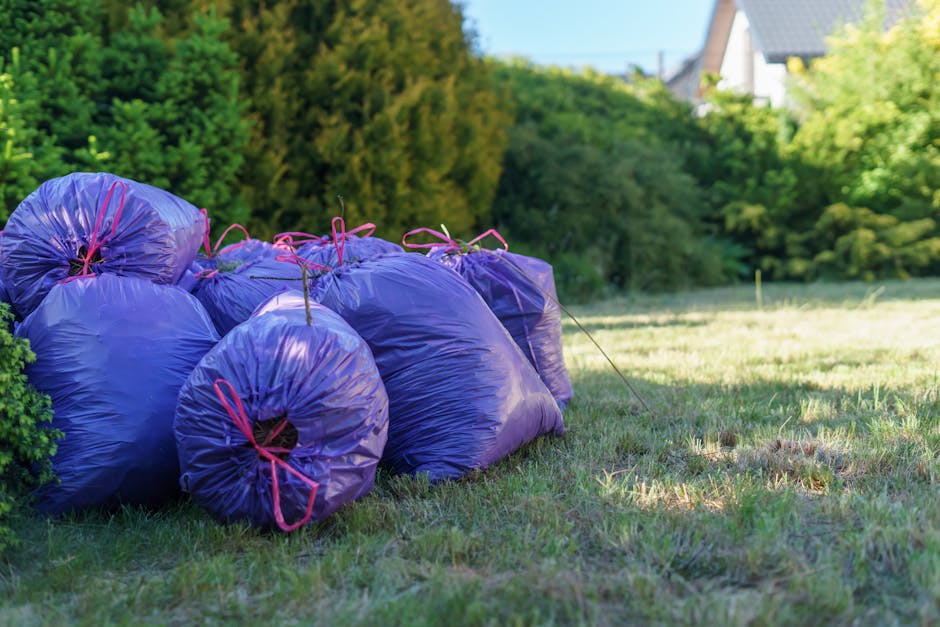
Hammersmith and Fulham Council rules for garden waste removal
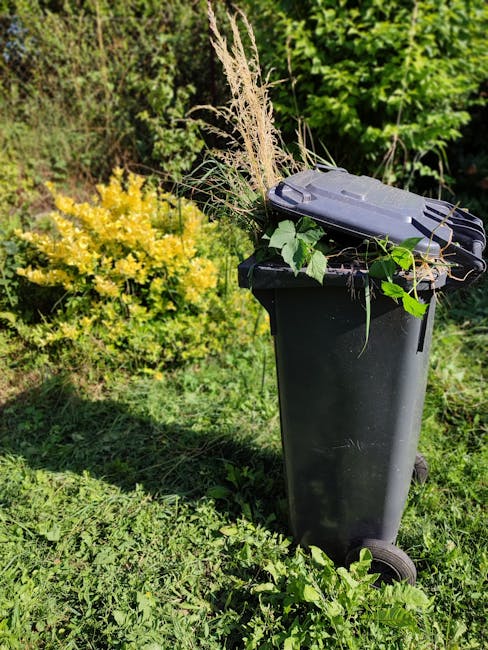
If you are clearing a border after a rainy weekend, cutting back a hedge that has run wild, or finally tackling a garden that has got a bit out of hand, the rules around disposal can be surprisingly important. The Hammersmith and Fulham Council rules for garden waste removal are there to keep green waste moving through the right channels, reduce contamination, and make sure you do not end up with avoidable fines, awkward bin collections, or a pile of clippings sitting there for days. Truth be told, most problems happen because people are not trying to do the wrong thing; they just are not sure what counts as garden waste, what should stay out of the bin, and when a clearance job needs more than the weekly collection.
This guide breaks the topic down in plain English. You will see how garden waste removal generally works in the borough, what to watch out for, who the rules affect, and how to stay on the right side of best practice. We will also look at practical steps for homeowners, landlords, tenants, and anyone dealing with larger garden jobs. And because a messy garden does not wait for a convenient moment, there are simple checklists and decision points you can use straight away.
Why Hammersmith and Fulham Council rules for garden waste removal Matters
Garden waste might look harmless, but once it is mixed with the wrong materials or left in the wrong place, it quickly becomes a nuisance. Wet grass clippings smell. Branches can block pathways. Soil and rubble add weight where they should not. If you put the wrong items out for collection, the whole load may be rejected. That is frustrating when you have already spent an afternoon in gloves and boots, trying to make the place look decent again.
The rules matter for a few reasons. First, they help keep recyclable green waste separate from household rubbish, which supports better processing and cleaner disposal. Second, they reduce fly-tipping risk. A lot of abandoned garden waste starts with someone thinking, "I'll sort it later." Later turns into a heap near a fence or on the kerb. Third, they protect shared spaces. In a borough like Hammersmith and Fulham, where gardens, front paths, mews, and communal areas can sit very close together, one person's careless pile becomes everyone else's inconvenience.
There is also the practical side. Following the right route for disposal can save time and stress, especially if you are already juggling a garden refresh, a hedge trim, or a larger outdoor project. If you are planning wider work, it can help to review broader services such as garden clearance support, ongoing garden maintenance, or even tree lopping and removal where overgrown branches are involved. Those jobs create waste fast, so the disposal plan needs to be thought through from the start.
Expert summary: The safest approach is simple: keep green waste clean, separate, and ready for the correct collection or licensed removal route. If it would look out of place in a compost heap, double-check it before putting it out.
How Hammersmith and Fulham Council rules for garden waste removal Works
In general terms, garden waste removal works on a "keep it clean and keep it separate" principle. Garden waste usually means natural, biodegradable material from the garden: grass cuttings, hedge trimmings, leaves, small branches, weeds, dead plants, and similar organic debris. It does not mean every outdoor item that happens to be in the garden. That distinction matters more than people expect.
Most councils in London use a combination of household collections, special arrangements, or trade waste routes depending on the material and volume. Hammersmith and Fulham residents should always check the current local arrangements before placing out waste, because collection rules, accepted materials, and container requirements can change. You cannot safely assume that what worked last month still works now. Annoying, yes. But better than a missed collection or a rejected load.
There are a few common expectations that usually apply in practice:
- Garden waste should be free from contamination such as plastic, metal, rubble, food waste, or general household rubbish.
- Soil, large stones, building materials, and DIY waste are usually treated differently from normal green waste.
- Branches and cuttings may need to be bundled, bagged, or presented in a specific way.
- Overfilled bags, loose piles, or badly mixed material can lead to collection problems.
- Large clearances may require a separate removal service rather than relying on standard collections alone.
To be fair, the best way to think about it is this: if it came directly from pruning, mowing, weeding, or seasonal tidy-up, it is probably in the garden waste category. If it came from landscaping works, dismantled structures, broken slabs, old pots, or a shed clear-out, it probably sits outside it. For mixed projects, services like landscaping or landscape gardening often generate several waste streams at once, which means sorting matters even more.
Key Benefits and Practical Advantages
Following the rules is not just about avoiding trouble. It also makes the whole job easier. A tidy, compliant waste plan gives you a cleaner garden, a safer property, and a much lower chance of having to redo the work. That last part is underrated. Nothing feels more pointless than dragging a heap of damp clippings back from the curb because they were not accepted.
Here are the main advantages in real life:
- Cleaner collections: The right materials are more likely to be taken first time.
- Less mess: Properly bundled waste keeps patios, paths, and driveways usable.
- Lower risk of contamination: Mixed waste is easier to reject, separate, or overcharge for.
- Better planning: You can estimate volume and decide whether council collection or a private clearance makes sense.
- Safer working conditions: Clear piles reduce slips, trips, and accidental damage.
There is also a mental benefit, which sounds softer than it is. Once waste is organised, the garden starts to feel manageable again. A patchy lawn, a trimmed hedge, and a cleared border can make a terrace or small back garden look much larger. If you are already planning a broader refresh, a simple combination of lawn mowing, hedge work, and neat disposal often transforms the space in one visit.
And yes, it can be a bit of a faff at the start. But a bit of sorting now usually saves a lot of headache later.
Who This Is For and When It Makes Sense
This topic matters to more people than you might think. Homeowners often notice it after a big seasonal tidy-up. Tenants run into it when a rental garden has been neglected and suddenly needs attention before an inspection. Landlords face it when a property has been left with a jungle in the back garden. Managing agents and small businesses with outdoor spaces need to keep things presentable without creating waste issues. And then there are the people who just inherit a problem: overgrown hedges, black bags full of cuttings, and no idea where to start.
It makes sense to pay attention to the rules when:
- you are doing a one-off garden clearance after a long gap;
- you have more waste than your normal bin can realistically handle;
- your waste includes mixed items, such as plants plus soil or light DIY debris;
- you are clearing a front garden that is visible from the street;
- you want to avoid nuisance complaints from neighbours;
- you are using a contractor and want to be sure the waste is handled properly.
One small but important point: if the job includes heavier material or larger branches, the waste profile changes quickly. A tidy hedge trim is one thing. A mature tree reduction is another. That is why people often pair routine work with specialist services like hedge trimming or services overview planning before they start hauling anything away.
Step-by-Step Guidance
If you want to stay on the safe side, follow a simple process. It does not need to be complicated. In fact, complicated is where people start making avoidable mistakes.
- Separate pure garden waste from everything else.
Make one pile for grass, leaves, plant cuttings, and soft green waste. Keep plastic ties, old pots, stones, and broken bits of fence out of it. - Check whether any material is too heavy, too large, or unsuitable.
Soil, rubble, and building debris often need a different route. Do not assume they can ride along with the hedge trimmings. - Decide on the collection method.
For small amounts, council collection arrangements may be enough. For bigger clearances, a private removal or garden clearance service may be more practical. - Bag, bundle, or stack the waste neatly.
Loose piles spread, blow around, and get messy fast, especially on a breezy morning. - Keep access clear.
Make sure the waste is easy to reach from the front, side passage, or rear access. If crews have to navigate awkward steps or narrow gates, the job slows down. - Schedule the removal at the right time.
Do not leave fresh cuttings to rot for a week if you can avoid it. They smell and compress into a soggy lump. Not lovely. - Confirm what happens after collection.
Good practice means the waste is handled responsibly, ideally with recycling or composting routes where suitable.
A practical example: if you have just finished a hedge trim and a lawn cut on the same day, sort the hedge clippings into one load and the lawn cuttings into another if they are very wet or very bulky. That tiny bit of discipline can make the whole clearance easier, especially if you are using a service that charges by volume or load type.
Expert Tips for Better Results
Small habits make a big difference. Over the years, the jobs that go smoothly nearly always have the same ingredients: clean separation, realistic timing, and no last-minute mystery pile appearing beside the bins.
- Cut waste down before you bag it. Long branches are awkward. Shorter lengths are easier to move and less likely to snag.
- Do not mix wet and dry material unless you have to. Wet grass turns heavy fast and can make bags split.
- Think in zones. One area for green waste, one for non-green rubbish, one for anything you still need to inspect. It sounds fussy. It works.
- Use the right containers. Strong garden sacks, trugs, or bundles are better than thin carrier bags that tear in the first minute.
- Plan around the weather. A damp Tuesday afternoon is fine for sorting, but a wet Friday can make loading miserable and muddy.
- Ask about sustainability. If a provider prioritises recycling and responsible handling, that usually reflects a more careful overall service.
If you are already weighing up professional help, it can be worth comparing the practical side as well as the price. A well-run team should be able to explain handling, loading, access needs, and disposal clearly. Services linked to recycling and sustainability are especially useful if you want reassurance that the waste is not just being moved from one place to another. Moving it properly matters. That is the whole point, really.
Common Mistakes to Avoid
Most problems are not dramatic. They are little slip-ups that snowball. The good news? They are easy to avoid once you know what to look for.
- Putting general rubbish in the garden waste pile. Even a few plastic plant labels or bin bags can be enough to cause issues.
- Including soil and rubble without checking. Heavy contamination often changes how the waste has to be handled.
- Leaving cuttings to break down in damp heaps. This can create odour, pests, and an unpleasant job later.
- Overfilling bags. Heavy bags split, and split bags create mess. Simple as that.
- Assuming every garden job is the same. A lawn trim, a hedge cut, and a full garden clearance are very different beasts.
- Forgetting access issues. Narrow side returns, locked gates, or shared paths can slow everything down.
- Not checking the current local guidance. Councils can update collection rules, accepted materials, and service arrangements.
A slightly annoying but common one: people tidy up the visible bits and forget the hidden corners. Then, when they finally move the compost bags or old planters, there is a second wave of waste underneath. Happens all the time. Honestly, gardens are good at hiding problems until you start lifting things.
Tools, Resources and Recommendations
You do not need an elaborate setup, but the right basic tools make the job far easier. A sturdy pair of gloves, a rake, secateurs, loppers, heavy-duty bags, and a wheelbarrow can cover most small to medium jobs. For bigger jobs, you may also want tarpaulins for moving material, a garden fork for loosening packed waste, and a broom for the final sweep. It is a simple kit, but it saves your back.
For planning, the most useful resources are usually:
- the council's current household waste and garden waste guidance;
- your own property access notes, especially if bins or bags need to be carried through a side passage;
- a clear estimate of how much material you are dealing with;
- professional support if the job includes thick branches, mixed waste, or time pressure.
If you need a broader maintenance plan, services such as garden maintenance can help prevent waste from piling up in the first place. Regular care often means smaller, cleaner disposals rather than one huge clear-out every few months. That is usually the calmer route, and the garden tends to look better too.
For service standards and peace of mind, it also helps to check practical pages like insurance and safety and health and safety policy if you are hiring help. Those pages do not just sound formal; they tell you the provider thinks about risk properly, which matters when you have tools, green waste, and possibly awkward access all in the same job.
Law, Compliance, Standards, or Best Practice
Garden waste removal sits under a mix of local collection rules and wider UK waste expectations. The main principle is straightforward: waste should be handled responsibly, kept separate where required, and passed along in a way that does not create pollution, nuisance, or illegal dumping. If you are unsure whether an item counts as garden waste, it is safer to treat it cautiously rather than assume it belongs in the green pile.
Best practice in this area usually means:
- keeping biodegradable waste free from non-organic contamination;
- not mixing garden waste with construction debris or household rubbish;
- using proper collection routes rather than abandoning waste near communal spaces;
- checking local guidance before placing out material for collection;
- using reputable contractors where larger volumes are involved.
For landlords, letting agents, and anyone responsible for shared outdoor areas, the compliance side matters even more. A neglected garden can drift into a nuisance issue surprisingly fast. If you want to avoid a last-minute scramble, it is wise to tie waste removal into routine upkeep and not treat it as a separate afterthought. A lot of garden problems start as "just one quick job." Then, somehow, it is three hours later and there are six bags of cuttings by the gate.
Options, Methods, or Comparison Table
Choosing the right disposal method usually comes down to volume, waste type, speed, and how much effort you want to put in yourself. Here is a simple comparison to help you decide.
| Method | Best for | Strengths | Limitations |
|---|---|---|---|
| Council garden waste collection | Smaller, cleaner loads of typical green waste | Simple, familiar, often suitable for routine upkeep | May have limits on timing, container type, or accepted materials |
| DIY trips to a waste site | People with transport, time, and mixed small loads | Flexible and hands-on | Can be physically demanding and time-consuming |
| Private garden clearance | Large, awkward, or time-sensitive jobs | Fast, convenient, better for bulk clearances | Usually the most expensive option |
| Regular maintenance and small disposals | Homes that need ongoing care | Keeps waste volume low and manageable | Requires consistency rather than one-off effort |
If you are dealing with a heavily overgrown plot or a mixed outdoor project, a private clearance approach is often the least stressful. For regular tidy-ups, smaller and more frequent disposal is usually better. The right answer depends on what you are looking at from your back door at 8 a.m. on a Saturday, not theory.
Case Study or Real-World Example
Here is a realistic example. A small terrace garden in the borough had built up with ivy, hedge clippings, a few bags of dead leaves, and the remains of a planter that had cracked in winter. The first instinct was to bundle everything together and hope for the best. But the planter fragments and a bit of old compost changed the situation. The green waste needed separating from the harder, non-organic material before anything could be removed cleanly.
Once the waste was sorted, the job was much easier. The hedge clippings and leaves went into one set of bags, the old planter pieces into another, and the loose debris around the patio got swept up last. Nothing glamorous. Just methodical. The result was that the garden felt usable again, the path was clear, and there was no awkward half-removed pile left in the corner by the fence. A small job, but it makes a big difference when you are stepping out with a coffee and hearing birds instead of wrestling with a tangled mess of branches.
This is where a service like garden clearance can be helpful. It is especially useful when waste has built up over time and the job is less about a single bin bag and more about restoring order. Not every garden needs a full clearance, of course. But when it does, it is usually obvious very quickly.
Practical Checklist
Use this before you put out any garden waste or book a collection.
- Have I separated green waste from household rubbish?
- Have I kept out soil, rubble, plastic, metal, and DIY debris unless I know they are accepted?
- Are my bags or bundles strong enough to move safely?
- Is the waste easy to access from the garden, drive, or front path?
- Do I know whether the current local collection rules apply to this load?
- Is the amount small enough for routine disposal, or is a larger removal service more sensible?
- Have I checked for hidden waste under planters, hedges, or stored items?
- Will the chosen method leave the area clean after collection?
- Do I need help with pruning, mowing, or cutting before disposal?
- Have I planned for wet weather, sharp branches, or awkward lifting?
If you can tick most of those off, you are in a good place. If not, pause and sort the load properly. It saves time in the long run, even if it feels like one extra job today.
Conclusion
The Hammersmith and Fulham Council rules for garden waste removal are really about good habits: keep waste clean, separate, and manageable; use the right collection route; and avoid mixing green material with things that do not belong there. Once you know the basics, the whole process gets much less stressful. You spend less time guessing, less time re-bagging, and less time wondering whether the pile by the gate is going to become tomorrow's problem.
For many households, the smart move is a combination of routine maintenance and sensible disposal planning. That might mean trimming more often, clearing a little at a time, or getting help when the job grows beyond a simple tidy-up. Either way, the goal is the same: a garden that feels under control rather than one step away from becoming a weekend project you never quite asked for.
Get a free quote today and see how much you can save.
And if you are standing in the garden right now, looking at a pile of clippings and thinking, "Right, where do I start?" - start small. That is usually enough.
Frequently Asked Questions
What counts as garden waste under Hammersmith and Fulham Council rules?
Garden waste usually means organic material from normal gardening work, such as grass cuttings, hedge trimmings, leaves, weeds, and small branches. It generally does not include rubble, soil, plastic pots, or household rubbish.
Can I put garden waste in my general rubbish bin?
Usually, no. Garden waste is best kept separate because mixed waste can cause collection problems and may not be accepted. If in doubt, check the current local rules before you set anything out.
Do I need to bag garden waste before collection?
That depends on the collection method and current local arrangements. In practice, neat bagging or bundling makes the waste easier to handle and less likely to be rejected. Loose piles are rarely a good idea.
Can soil and turf go with green waste?
Soil and turf often need different handling from standard green waste, especially when they are heavy or mixed with rubble. It is safer to treat them as a separate waste stream unless the collection guidance says otherwise.
What should I do with branches after hedge cutting or tree pruning?
Cut branches down to manageable lengths and keep them separate from non-organic debris. For larger amounts, a private clearance or specialist removal service is often more practical than relying on routine collections.
Is garden clearance better than council collection for big jobs?
For large, overgrown, or mixed waste jobs, yes, a garden clearance service is often easier and faster. Council collections can be fine for smaller, cleaner loads, but big clearances usually need a more flexible approach.
How can I avoid rejected garden waste?
Keep the load clean, avoid contamination, do not overfill bags, and separate heavy or non-organic items. Rejection usually happens because the waste is mixed or presented badly rather than because the material itself is a problem.
What if my garden waste is too much for one collection?
Split it into manageable loads or arrange a larger clearance service. If the waste is from a bigger project, it is often quicker to plan disposal before you start cutting rather than after the garden is already in a mess.
Are there rules for waste left on the pavement or outside my property?
Yes, leaving waste out improperly can create nuisance and may be treated as a problem if it obstructs public space or encourages fly-tipping. Keep all waste stored safely on your property until collection.
Should I use a professional service for garden waste removal?
If the waste is bulky, mixed, time-sensitive, or difficult to access, a professional service is usually worth considering. It saves lifting, sorting, and repeat trips, which is often the bit nobody enjoys.
How do I choose between regular maintenance and one-off clearance?
If the garden only needs minor trimming and tidying, regular maintenance may be enough. If the space has been neglected or the waste has built up over time, a one-off clearance is usually the better reset.
Where can I find more help with garden work in Hammersmith and Fulham?
It helps to look at practical service pages such as services overview, pricing and quotes, and the company's about us page if you want to understand how the work is handled. For questions about booking or access, the contact page can also be useful.